Innovative Senior Memory Care Strategies
Pioneering aged cognitive care systems address the nuanced hurdles faced by subjects with neurological decline. By incorporating modern tools, community support, and enriching programs, these approaches attempt to strengthen life satisfaction. Smart monitoring systems and computational resources play vital roles in guaranteeing safety and advancing mental activation. Nevertheless, the viability of these approaches depends upon different considerations that justify extensive analysis. Which notable innovations are demonstrating most significant in genuine applications?
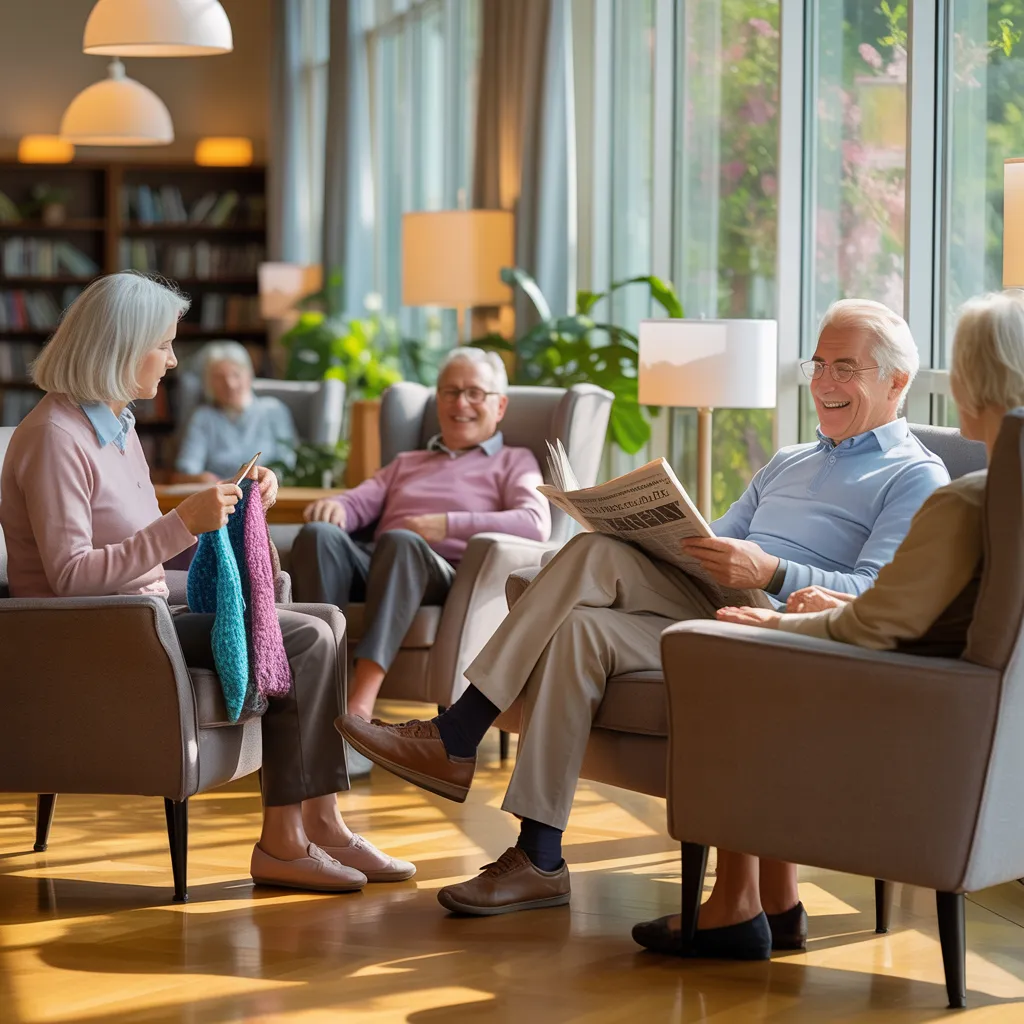
Recognizing Neurological Care Constraints: The Call for Innovation
As the elderly population grows steadily, understanding the difficulties associated with memory care becomes more and more vital. Memory-related disorders, such as Alzheimer's and dementia, pose unique difficulties that require personalized approaches. Caregivers often experience emotional and physical pressure, as patients may exhibit unpredictable behaviors and varying levels of cognitive decline.
In addition, the shortage of knowledge about communication tactics that are effective can interfere with interactions between support staff and patients, causing dissatisfaction on either party. The need for specialized preparation in memory care is essential, as typical care approaches may not meet the unique requirements of individuals with intellectual decline.
Furthermore, the prejudice tied to memory disorders can separate both patients and their families, hindering access to help services. Tackling these difficulties through creative approaches and enhanced education is essential for improving the quality of life for those affected by memory loss and cultivating a more empathetic care environment.
Digital tools' Influence to Dementia Care Breakthroughs
Technology is enhancing cognitive support by introducing breakthroughs in wearable devices and digital memory tools. These breakthroughs enhance oversight and assistance for individuals facing cognitive decline. By adopting such digital solutions, caregivers can more effectively meet the unique needs of seniors and improve general well-being.
Wearable Technology Progress
Wearable technology has emerged as a transformative tool in memory care, boosting the standard of living for people with cognitive impairments. Devices including smartwatches and fitness trackers are outfitted with features that monitor essential signs, track physical activity, and provide reminders for daily tasks. These capabilities not only advance physical health but also support cognitive engagement by fostering routine and structure. Moreover, GPS-enabled wearables provide peace of mind by allowing caregivers to monitor the location of individuals, reducing the risk of wandering. The integration of these technologies fosters independence while ensuring safety, making them vital in contemporary memory care strategies. As innovations develop, wearable technology holds explore great promise for improving outcomes in this population.
Digital Memory Tools
Innovative digital memory technologies are redefining the landscape of memory care, delivering essential support for individuals facing cognitive challenges. These tools often include user-friendly applications designed to improve memory recall, assist communication, and promote engagement through engaging activities. Technologies such as digital calendars, reminder systems, and cognitive training games equip users to maintain independence while fostering social connections. Additionally, virtual reality experiences offer immersive environments that can stimulate memory and emotional well-being. Caregivers also benefit from these tools; they can monitor progress and customize interventions based on individual needs. As technology continues to advance, digital memory tools play a pivotal role in raising the quality of life for seniors, making personalized care more effective and effective.
How Virtual Reality Improves Memory Recall in Seniors
VR platforms offers seniors an immersive experience that can markedly strengthen memory recall. By engaging with cognitive activities within these virtual environments, individuals can more efficiently boost their mental faculties. Additionally, tailored memory interventions designed for each senior's experiences can boost the effectiveness of these strategies.
Immersive Encounter Advantages
With innovation in technology, immersive experiences such as virtual reality (VR) have become valuable resources for boosting elderly memory retrieval. These experiences create stimulating settings that engage mental processes, allowing participants to explore recognizable settings or re-experience cherished memories. Evidence reveals that VR can trigger emotional engagement, which are important in remembering. By immersing seniors in sentimental environments, VR increases sensory involvement, making remembering more tangible and reachable. Moreover, this technology enables personalized engagements, fitting personal tastes and memories. The interactive aspect of VR encourages user engagement, supporting interpersonal interactions that can further support memory enhancement. Ultimately, immersive experiences present a hopeful route for improving cognitive health in older adults.
Interesting Cognitive Tasks
The infusion of immersive technologies has opened new avenues for engaging cognitive pursuits that fortify memory recall in seniors. Virtual reality (VR) provides a distinctive platform for seniors to engage in in dynamic environments that evoke familiar memories and experiences. By submerging individuals in carefully designed scenarios, VR can enhance cognitive engagement and foster mental challenge. Activities such as virtual travel or interactive games allow seniors to practice recall in a interactive and fluid way, generating both emotional and cognitive connections. Additionally, these experiences can be adjusted to individual preferences, further enhancing their effectiveness. As seniors traverse these virtual worlds, they can not only sharpen their memory but also partake in social interactions, reducing feelings of isolation and improving overall well-being.
Individualized Memory Solutions
While many conventional memory interventions emphasize standardized exercises, customized memory interventions using immersive technology provide a tailored approach that can substantially enhance memory retrieval in seniors. Virtual reality (VR) platforms, for instance, create interactive settings that elicit specific memories, encouraging seniors to engage with recognizable locations from their history. This technology facilitates emotional connections, making memories more accessible. By tailoring experiences based on individual histories, inclinations, and cognitive levels, VR can stimulate neural pathways that might otherwise remain dormant. In addition, these treatments can foster interpersonal engagement, as seniors share their experiences with peers or caregivers, further reinforcing memory preservation. Ultimately, individualized VR experiences present a promising avenue for improving cognitive function in the aging demographic.
Varieties of Absorbing Exercises for Relationship Building and Cognitive Enhancement
Involving seniors in engaging activities that boost social interaction and cognitive growth is important for improving their quality of life. A variety of activities can effectively achieve these goals. Group games, including bingo or trivia, build teamwork and help stimulate memory recall, fostering social connections among those involved. Arts and crafts workshops create self-expression while enhancing fine motor skills and creativity.
Book clubs foster exchanges supporting critical thinking and sharing diverse perspectives, further deepening social connections. Music therapy, incorporating sing-alongs or instrument playing, can spark memories and emotions, boosting cognitive engagement.
Gardening activities not only deliver physical exercise but also create chances for collaboration and conversations about the natural world. Additionally, culinary courses allow older adults to engage in a sensory experience while acquiring fresh abilities. Collectively, these activities establish a rewarding environment that supports both social interaction and mental wellness, ultimately improving general health and wellness.
Community-Driven Memory Care Programs: Developing Care Networks
Community-based memory care programs constitute an critical role in solidifying support networks for seniors encountering cognitive challenges. These programs nurture connections among individuals, families, and caregivers, producing a resilient support system that enhances the quality of life for participants. By offering multiple services, such as educational workshops, support groups, and social activities, these programs inspire seniors and their families to work through the complexities of memory loss together.
Moreover, community-based initiatives encourage inclusion, encouraging seniors to connect to their neighborhoods. This engagement reduces feelings of isolation and fosters a sense of belonging, which is fundamental for emotional well-being. Additionally, these programs often collaborate with local organizations, healthcare providers, and volunteers, making sure that resources are readily available and customized to the unique needs of participants. Ultimately, community-based memory care programs serve as essential lifelines, enhancing resilience and support for seniors managing cognitive decline.
How do you Evaluate the Success of Memory Care Plans?
Can the success of memory care approaches be correctly measured? Testing these techniques involves a multifaceted method. Essential metrics feature assessments of cognitive function, behavioral changes, and emotional wellness. Standardized assessments, like the Mini-Mental State Examination (MMSE), can determine cognitive improvements or declines over time.
Moreover, input from caregivers offers useful information into daily interactions and social engagement. Watching residents in different environments—both structured activities and leisure periods—can demonstrate the approaches' impact on overall well-being.
Surveys assessing contentment among dwellers and family members also act as key indicators of achievement. Furthermore, tracking hospitalization frequencies or emergency visits can illustrate the effectiveness of preventive interventions.
Frequently Asked Questions
What Are the Symptoms That an Senior Requires Memory Care?
Signs that an aging individual may need specialized care involve constant confusion, forgetfulness affecting daily life, struggles with everyday activities, social withdrawal, mood or behavioral changes, and safety risks in their home environment.
What Ways Can Families Aid Seniors in Memory Care?
Families can assist seniors in memory care by staying in consistent contact, participating in activities together, advocating for personalized care, offering emotional comfort, and fostering a familiar environment that promotes ease and bonding throughout the caregiving journey.
What Does Memory Care Cost You?
Memory care services typically cost between $3,000 to $7,000 monthly, differing by location and amenity offerings. Families frequently discover such expenses tough, demanding thoughtful financial planning and assistance.
What memory care programs are offered for initial-stage dementia?
Yes, diverse memory care options can be found for persons with early-stage dementia. These may offer dedicated memory care residences, day programs, and home-based care options tailored to support cognitive health and enhance quality of life.
How Can I Find the Most Suitable Memory Care Setting?
Selecting an appropriate memory care facility requires exploring choices, touring facilities, evaluating caregiver credentials, reviewing security protocols, and reviewing patient programs. Reliable reviews and referrals can also assist loved ones in choosing wisely.
Comments on “Expert Tips to finding the right memory care community”